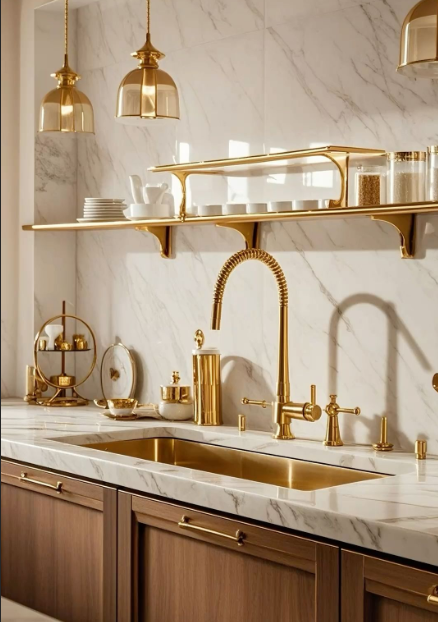
What Is Important in Choosing Your Kitchen Faucet?
The kitchen has become more than just a place to prepare food; it’s also the center of the home and where families spend most of their free time together. The kitchen sink faucet is the centerpiece of this hub, and it’s important for it to be durable and stylish when designing your new kitchen. Whether you’re doing a complete renovation or just replacing a tired faucet, choosing a new kitchen faucet can be an overwhelming task due to all the available options. At faucettaps.com we believe that having knowledge on how design and functionality come together when selecting a new kitchen faucet will help you in making an informed decision about your purchase. Here are some basic things you should consider when selecting a new kitchen faucet so that it compliments your lifestyle and enhances your kitchen’s design.
- Defining Your Style: The Difference Between Pull Down and Pull Out
The first choice that new homeowners will be faced with is the arrangement of their faucet and sprayer.
Pull Down = This is the most commonly purchased type of faucet. It has a high-arch “gooseneck” spout, which allows the removal of the spray head from inside the sink. A pull down faucet can be used with large or deep basins, as well as large stock pots.
Pull Out = If you have low ceiling height or a small sink, then a pull out is the best option for you. The spout on a pull out is much shorter than on a pull down, making it easier to return to its mounting position. It is also longer and easier to fill up containers with as you can pull the spout out towards yourself and fully submerge it.
Pro Tip: When shopping for a faucet, look for ones that come with a magnetic docking system. This prevents the spray head from drooping after several years of use due to wear and tear, which may occur in lower quality products.
- The Innovation Revolution: Smart and Touchless Taps
In the near future, people will increasingly rely on smart products as they become more widely available. In the near future, smart sinks and taps will remain vital in preventing contamination of food by bacteria while also conserving Earth’s resources.
Touchless sensors: Using a motion sensor to turn on the faucet with only a wave of your hand eliminates the chance of cross-contamination of food by bacteria by cleaning your hands with running water after handling raw food.
Voice-activated control and precision are obtainable with the higher-end models that are compatible with your home’s smart technology. So, for example, you could instruct your tap to dispense two cups of water at 40 degrees Celsius, enabling you to cook with accuracy and greatly reduce the amount of water you waste.
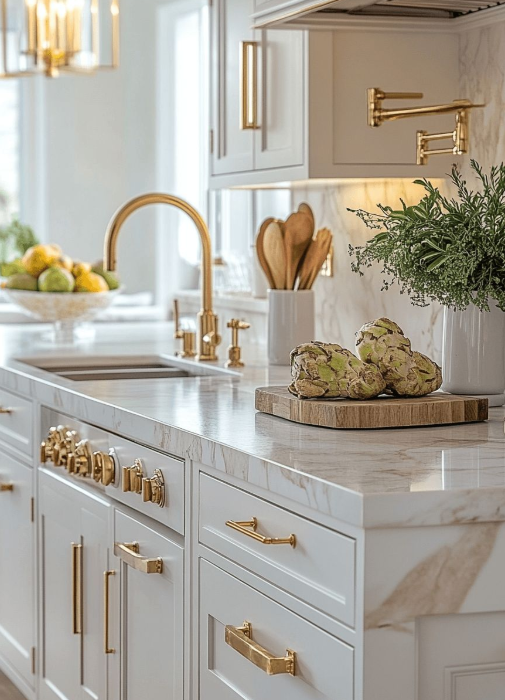
- Materials and Finishing Details: Everything that shows!
The faucet finish creates the ‘mood’ of your kitchen; therefore, how long this mood will last will be set by the technology used to make the finish.
Matte Black and Gunmetal finishes: These types of finishes give your kitchen a bold architectural look, but they require regular cleaning to prevent lime deposits from building up on them.
Brushed Nickel and Stainless Steel finishes: These two finishes are the most common type of finish found in kitchens today because they are very forgiving when it comes to showing fingerprints or water spots.
Advantages of PVD finishes: When looking for new faucets at faucettaps.com, make sure to look for those that are made using Physical Vapor Deposition (PVD) methods; this allows for an extremely strong bond between the metal and the finish at a molecular level. As a result, PVD-coated surfaces are up to twice as hard as stainless steel, making them virtually scratch- and corrosion-resistant.
4. Ergonomics and Installation Compatibility
Before falling in love with a design, check the ‘footprint’ of your sink.
Hole locations: Is your sink one, two, or three holes? Single hole faucets may still fit into three hole sinks using an escutcheon (deck plate), but three can’t be installed into a one hole.
Arc Height: Measure the distance from the sink to any shelves that overhang. High arc faucets give a good amount of clearance, but can splash excessively when the aeration isn’t correctly set in shallow sinks.
Sustainability: WaterSense and Efficiency
Environmental Responsibility (2026): Current faucet design incorporates high pressure (power spray) delivery without using all of the water. Look for the WaterSense label which identifies faucets built to strict efficiency guidelines with full performance.
This will help reduce the stress on our planet as well as lower monthly utility costs.